

Hebrew Word of the Week
Egoz (אגוז) is “nut.” This Hebrew word comes from the old Persian word for nut, “gowz,” along with several other Hebrew loanwords that come from Persian. Thanks, Brad from Albany, for this interesting information!
Interestingly, walnut in Hebrew is egoz melech, or the king’s nut, due to royal connotations (the Greeks called the walnut "basilicon", meaning "royal nut.”)
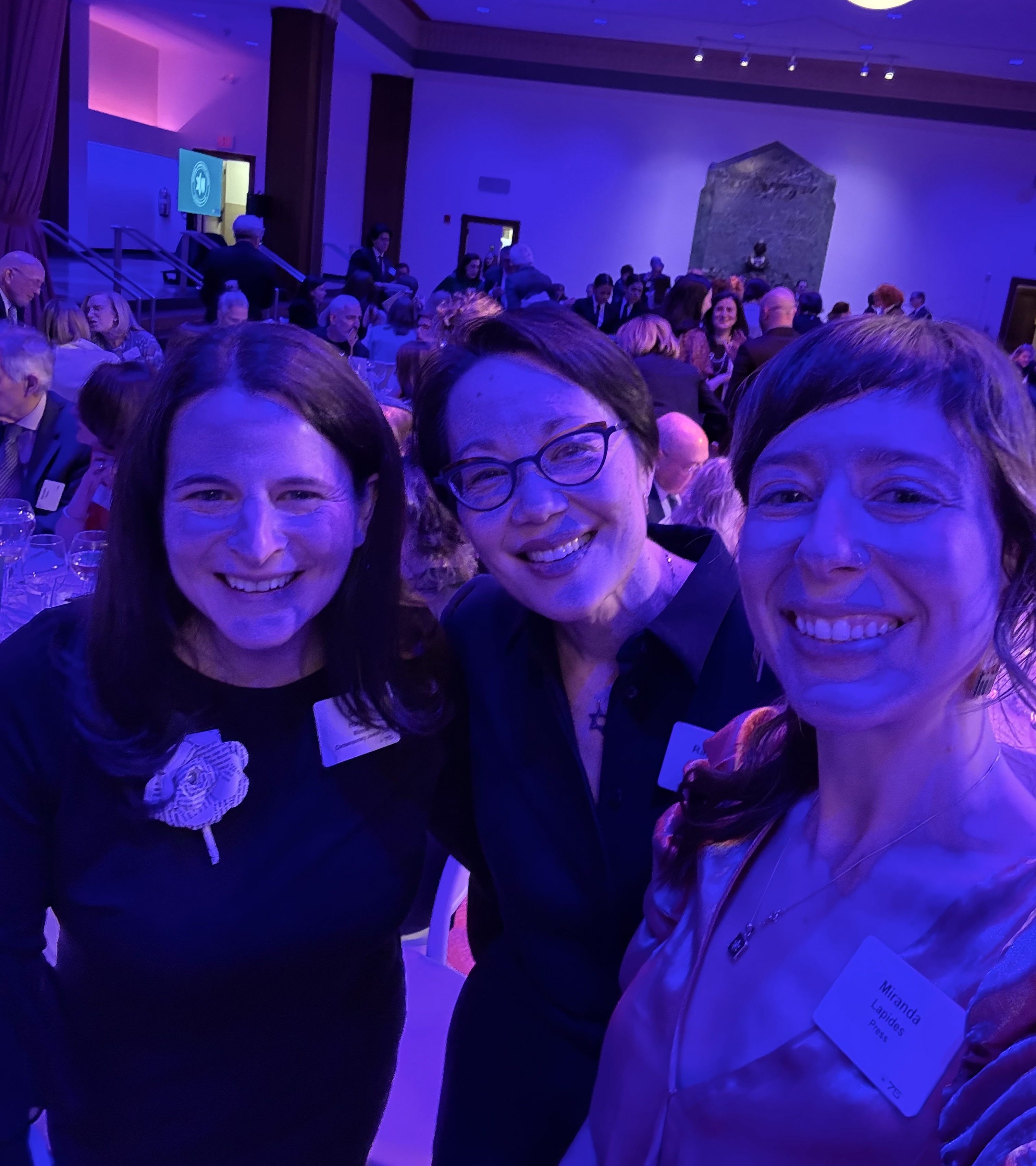
Just before Pesach, I was lucky enough to attend Jewish Book Council’s 75th National Jewish Book Awards, held at Temple Emanu-El. Surrounded by brilliant writers, scholars, translators, and publishers, I couldn’t help but feel a deep sense of gratitude celebrating those who contribute to the greater Jewish story.
Jewish Book Council (JBC) is a nonprofit dedicated to educating, enriching, and strengthening the community through Jewish literature. This year was packed with award winners from 21 categories, ranging from Sephardic Culture (Golden Threads by Ariella Aïsha Azoulay, illustrated by Haitham Haddad and Hagar Ophir) to Children’s Picture Book (The Remembering Candle by Alison Goldberg, illustrated by Selina Alko). The highest honor, Jewish Book of the Year, was awarded to Eli Sharabi for Hostage, his memoir detailing his 491-day captivity in Gaza.
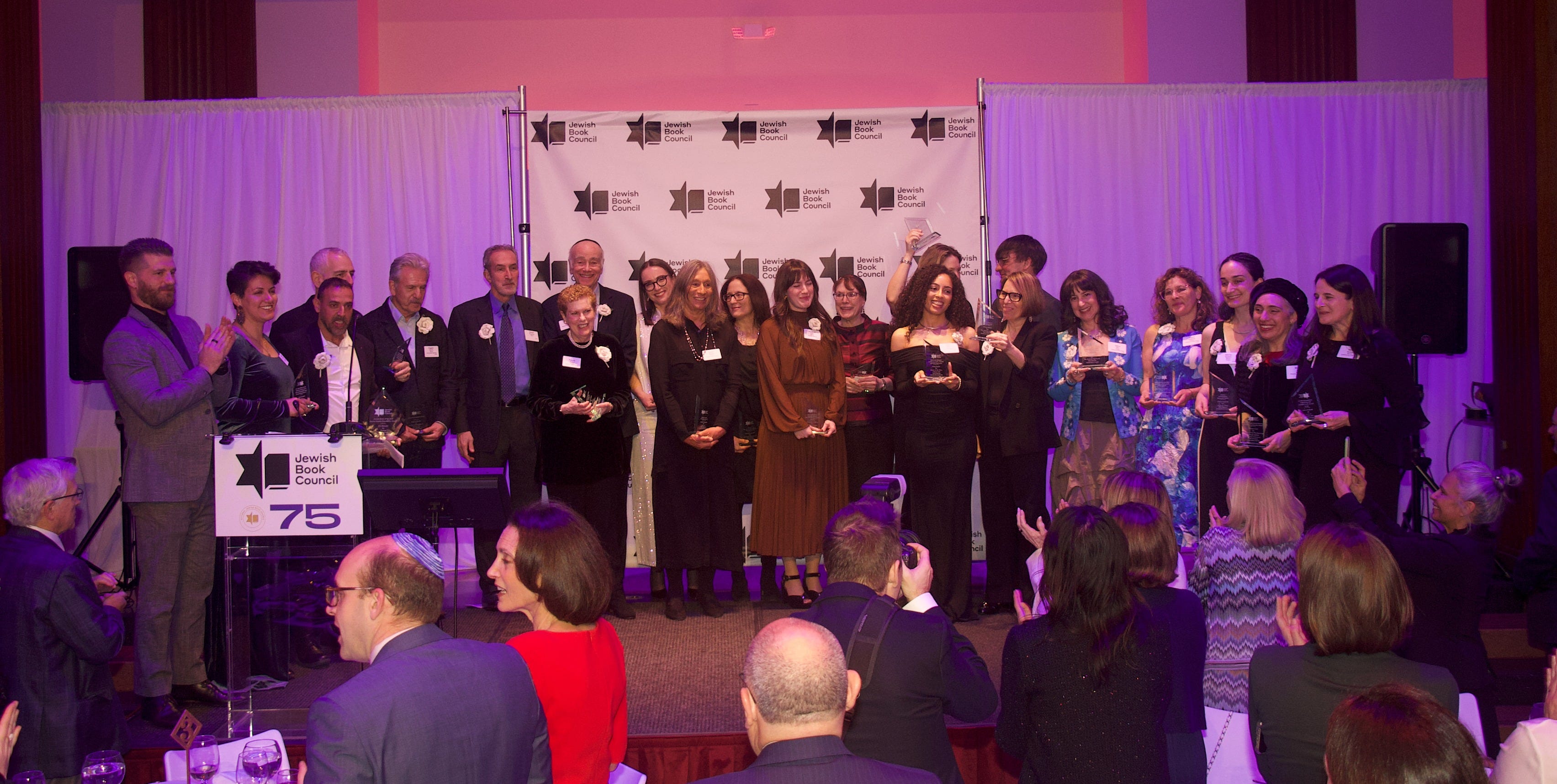
If you think this year’s most celebrated Jewish books sound depressing (the children’s picture book is about lighting a yahrzeit candle and talking to kids about the death of a loved one), you’re in good company. The evening emcee, entertainer and podcaster Jonah Platt, kicked off the evening with a song he wrote called “Tragedy Tonight” to highlight this point:
🎵 “Something familiar,
Something peculiar,
Something that Jews enjoy
It’s tragedy tonight
Something distressing,
Something depressing,
What keeps the Jews employed
But tragedy tonightNothing with jokes or lively discussions
Only the Nazis, Gaza, and Russians
…
You want to smile, get a new hobby
Make sure you don’t read Eli Sharabi” 🎵
Platt’s song set the tone for the evening: a celebration of these works and a window into who we are, what we dream up, what we’ve survived, and what we refuse to forget. Something distressing, indeed, but something essential.
I was surprised to learn that only a few of the 21 winners were on my radar/shelves. Of course, I had read Hostage and Sarah Hurwitz’s As a Jew. Hurwitz’s second book, , which won the award for Contemporary Jewish Life and Practice, explores sources of internalized Jewish shame, stemming from antisemitism and anti-Zionism, and how she overcomes them and evolves into the proud, outspoken Jew she is today.
I also heard of Book Club Award winner Dog (Yishay Ishi Ron), a novella of Israeli wartime trauma, and American Jewish Studies winner Antisemitism, An American Tradition by Pamela S. Nadell, that dispels the notion that the U.S. has always been a safe haven for Jews, something we are questioning today. Her book traces ugly history, from General Grant’s Order #11 during the Civil War and the lynching of Leo Frank, to more recent examples like the 2019 Poway shooting.
All the other award-winning books were new to me - clearly, have much reading to do! Some standouts to add to my TBR list:
📚 People Without History Are Dust: Queer Desire in the Holocaust by Anna Hájková - winner of Holocaust literature - grapples with the complex dynamics of sexuality in the camps.
📚 The Anatomy of Exile by Zeeva Bukai - winner of Debut Fiction - follows an Israeli family fractured by grief, displacement, and a forbidden love between a Mizrahi Jewish woman and a Palestinian man. In this book, history repeats itself within the family, and the characters learn that empathy trumps all.
📚 Fagin the Thief by Allison Epstein - winner of Fiction - is a twist on Oliver Twist that reimagines Dickens’s notorious villain, giving Fagin a rich backstory and humanity. Please, sir, I want some more!
The variety and depth of the winning book topics presented on stage were striking. There are so many ways to connect to Jewish identity, from Soviet Jewry to Moroccan ancestry, and books are just one path of exploration.
Something else that stood out to me throughout the evening was how prevalent Zionism was across genres. At a moment when some voices are trying to separate Israel from Judaism, it was clear Zionism had a seat at the table on the night of the Oscars of Jewish literature. Whether grappling with the war in Gaza through poetry like in Aharon Shabtai’s Requiem, exposing how cruel Hamas captors can be, pushing back on anti-Zionist arguments while remaining critical of the Israeli government, or exploring Israeli-Palestinian relationships through fiction, these works reflected just how deeply Israel remains embedded in the contemporary Jewish story. Nuance had a seat at the table, too! We were in good company.
“At a time when thoughtful storytelling and visibility matter more than ever, Jewish books have the power to strengthen community, spark meaningful dialogue, and affirm who we are,” said Naomi Firestone-Teeter, CEO of Jewish Book Council.
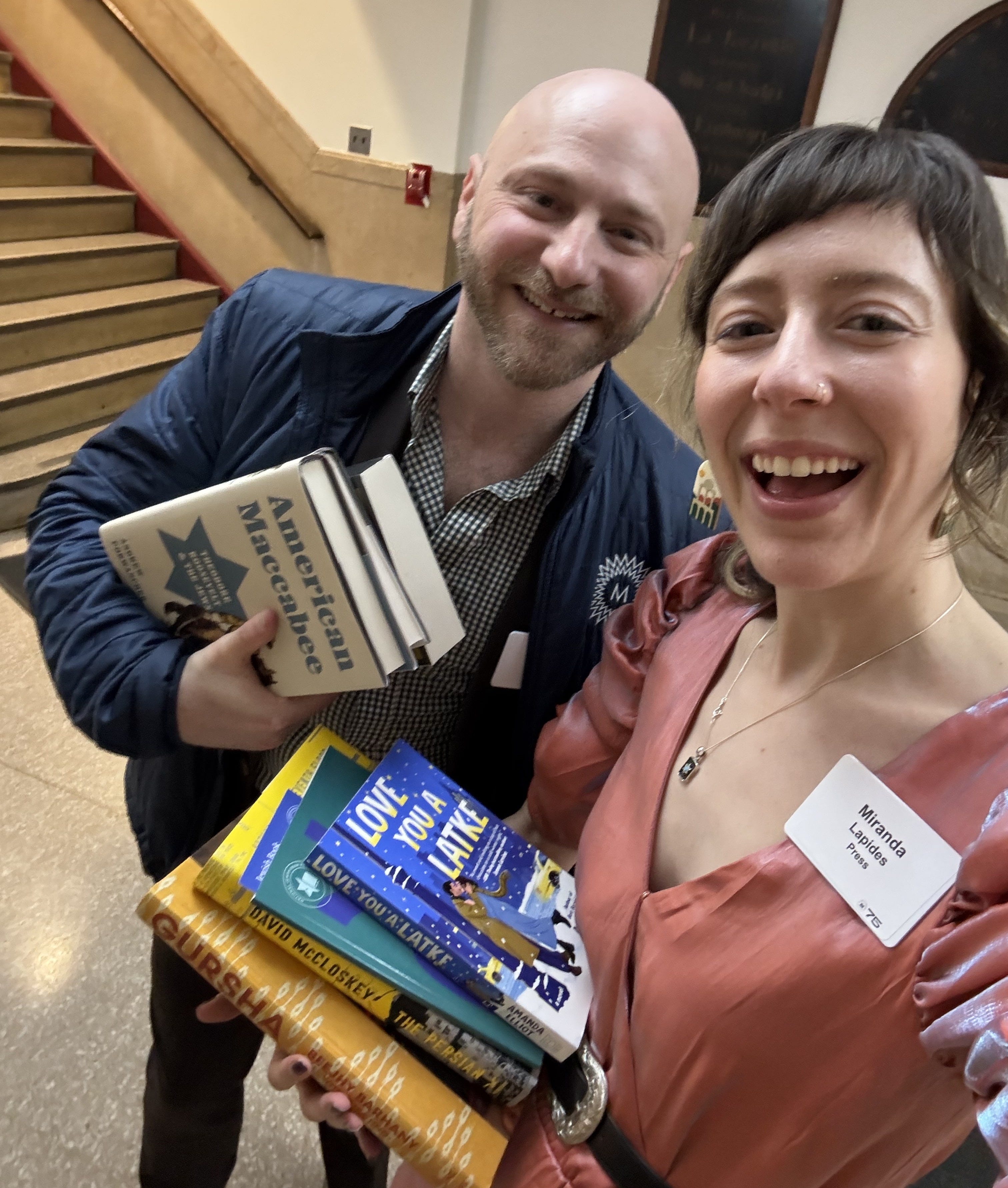
As guests left the gala, we helped ourselves to the table centerpieces: piles of books by Jewish authors. I picked up a timely book called The Persian, by former CIA analyst David McCloskey, about Mossad espionage in Tehran. It says it’s a novel… or is it?
Depressing topics aside, the night proved there’s still so many stories to tell, and we’re still here sharing them. As Jonah Platt’s song ends, “The People of the Book will be all right! Tragedy tomorrow, let’s celebrate tonight.” Amen.
See the full list of winners here.
I asked attendees what Jewish book they’re excited about right now. Here’s what they said! Let me know what you’re reading or excited about in the comments.
“My friend’s book, Honoria (Janice Shapiro), which is a winner tonight. It’s about young girls and their friendship in 1920s Paris, but really any age can read it.”
“People Without History are Dust (Anna Hájková), which won the Holocaust book award. My husband was a Holocaust survivor and our family funds this award.”
“Sharon Brous’s book, The Amen Effect, even though it made me feel sad and powerless. It made me ask myself, ‘What can I bring to the world right now?’”
“Porcupines (Fran Fabriczki).”
“I just picked up 10/7:100 Human Stories (Lee Yaron), but I’m going to give it to a non-Jew to read.”
“The Talmud.”
“Rabbi Angela Buchdahl’s book, Heart of a Stranger. We just read it in my book club.”
“Honoria. I’m into graphic novels.”
“Chutzpah Girls (Julie Silverstein & Tami Schlossberg Pruwer). It’s about strong Israeli women.”
“Amos Oz’s A Tale of Love and Darkness. It’s the greatest post-war Jewish book ever written.”
“Eli Sharabi’s Hostage. I love what he said from Man’s Search for Meaning, that if you have a why, you can get through any how. He kept living even though his ‘why’ was gone.”
“I’m completely fascinated by Nicholas Lemann’s Returning. Out of the Sky by Matti Friedman is an incredible read. And adored Porcupines by Fran Fabriczki.”
“Obsessed with Laurie Frankel’s upcoming book Enormous Wings!!”
“When the Angels Left the Old Country by Sacha Lamb!”
Shabbat Shalom! Happy reading,

💦 If you like Jewish books, check out these Drops:
6 Jewish Books I Read in 2025

This year, I hit a personal reading record (43 books, but who’s counting), and when I wasn’t lost in romantasy (helloooo Sarah J. Maas fans!) my list was prettyyy, prettyyyy Jewish. Here are my favorite Jewish books I read this year.
The Most Important Book I Read This Year

This was the hardest and most important book I’ve ever read. I broke down crying two or three times while reading it, and I often found myself putting it aside to take breaks. Honoring civilian lives lost on 10/7 like a Yizkor book of our day, each chapter not only describes their final moments, but also captures the spirit and resilience of their communities, and their individual hopes, dreams, and legacies.
Love reading these Miranda, I always get some wonderful nugget (or more) of insight, information or inspiration.
Can’t wait to see your book one day at the Jewish book awards just saying